Asset-Based vs. Non-Asset-Based 3PL: Which Logistics Model Is Right for Your Business?
Asset-Based vs. Non-Asset-Based 3PL: Which Logistics Model Is Right for Your Business?
Learn the differences between asset-based and non-asset-based 3PL providers, their advantages, challenges, and how to choose the right model for your e-commerce business. Fulfilled Pro helps optimize logistics for growth and efficiency.
Introduction: Why 3PL Strategy Matters
In today’s e-commerce landscape, efficient logistics is a key competitive advantage. Whether you’re a small online retailer or a growing mid-sized brand, your ability to store, pick, pack, and ship products efficiently can make or break your business.
This is where third-party logistics providers (3PLs) come in. By outsourcing fulfillment and supply chain management, companies can focus on product development, marketing, and customer service. But not all 3PLs are created equal.
When evaluating providers, you will often encounter two broad models: asset-based 3PLs and non-asset-based 3PLs. Understanding their differences, benefits, and limitations is critical for making the right choice for your business.
What Is an Asset-Based 3PL?
An asset-based 3PL owns the physical infrastructure needed for logistics operations. This includes:
Warehouses and storage facilities
Trucks, vans, or freight vehicles
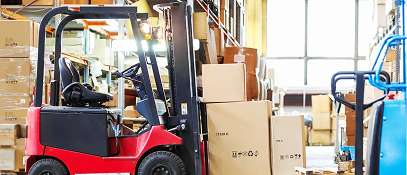
Equipment such as forklifts, conveyors, and pallet jacks
Key Characteristics:
Direct control over operations
Dedicated resources and staff
Integrated services combining warehousing, fulfillment, and transportation
Example Scenario:
A large consumer electronics brand uses an asset-based 3PL to manage its own warehouses and delivery fleet. The 3PL can guarantee consistent shipping timelines and manage high volumes during peak seasons like Black Friday because it controls the entire process.
Advantages of Asset-Based 3PLs:
Reliability and Control: Owning assets allows for predictable service quality and greater oversight.
Comprehensive Services: Integrated capabilities mean the provider can handle warehousing, fulfillment, and transportation seamlessly.
Brand Protection: For high-value products, having a dedicated network reduces risk of damage, loss, or delays.
Challenges of Asset-Based 3PLs:
Higher Costs: Maintaining warehouses and transportation fleets requires significant capital investment.
Less Flexibility: Scaling quickly for seasonal spikes can be more complex compared to a networked, non-asset approach.
What Is a Non-Asset-Based 3PL?
A non-asset-based 3PL, in contrast, does not own warehouses or delivery vehicles. Instead, it leverages a network of partners and carriers to provide logistics services.
Key Characteristics:
Flexible, partner-based infrastructure
Focus on coordination, optimization, and supply chain management
Often uses advanced software and analytics to manage inventory, shipping, and fulfillment
Example Scenario:
An e-commerce clothing brand uses a non-asset-based 3PL to manage fulfillment across multiple fulfillment centers and regional carriers. The provider dynamically routes orders to the closest warehouse and selects carriers based on cost, speed, and service reliability.
Advantages of Non-Asset-Based 3PLs:
Lower Fixed Costs: No need to maintain your own physical assets, reducing overhead.
Scalability: Easy to ramp up operations during peak seasons without major investments.
Specialization: Many non-asset 3PLs excel in network optimization and supply chain efficiency.
Challenges of Non-Asset-Based 3PLs:
Less Direct Control: Quality and timing depend on partners’ performance.
Coordination Complexity: Managing multiple subcontractors can create potential bottlenecks.
Variability in Service: Without dedicated assets, reliability may fluctuate during peak periods.
Key Factors to Consider When Choosing a 3PL Model
Choosing the right 3PL model requires a thorough evaluation of your business needs. Consider these factors:
1. Business Size and Growth
Small to mid-sized businesses: May benefit from non-asset-based 3PLs due to lower upfront costs and scalability.
Large or enterprise businesses: Often prefer asset-based 3PLs for predictability and control at high volumes.
2. Service Requirements
Evaluate whether you need end-to-end logistics solutions, specialized handling, or a network-based approach.
Some products, such as electronics or fragile goods, may require asset-based providers to ensure quality and security.
3. Cost Considerations
Asset-based 3PLs may have higher fixed fees due to infrastructure and staff costs.
Non-asset-based providers can offer flexible pricing models based on volume, reducing financial risk.
4. Technology and Integration
Ensure the 3PL has systems that integrate with your e-commerce platform for inventory tracking, order management, and shipping updates.
Non-asset 3PLs often rely heavily on technology to optimize their network.
5. Flexibility and Adaptability
Seasonal spikes, unexpected demand surges, and changing markets may require a flexible logistics strategy.
Non-asset-based 3PLs can adjust capacity quickly; asset-based providers may need advance planning.
Hybrid 3PL Models: The Best of Both Worlds
Many modern 3PLs, including Fulfilled Pro, offer a hybrid approach, combining the reliability of asset-based logistics with the flexibility of a networked non-asset model.
Benefits of a Hybrid Approach:
Predictable service levels for critical operations
Ability to scale dynamically during high-demand periods
Integrated technology platform to manage both owned assets and partner networks
Cost optimization without sacrificing control
Example:
A mid-sized beauty products brand uses Fulfilled Pro’s hybrid 3PL solution:
Asset-based fulfillment centers handle high-volume SKUs with strict quality requirements.
Non-asset partners support regional distribution for smaller or seasonal orders.
Centralized technology ensures inventory visibility and efficient order routing.
How Fulfilled Pro Helps Businesses Choose the Right 3PL Strategy
At Fulfilled Pro, we understand that logistics decisions are not one-size-fits-all. We provide:
Business Assessment: Evaluate your order volume, product type, and fulfillment needs.
Cost Analysis: Compare asset-based, non-asset-based, and hybrid models to find the most efficient option.
Customized Logistics Solutions: Design a fulfillment strategy tailored to your business growth goals.
Technology Integration: Implement real-time tracking, reporting, and inventory management systems.
Ongoing Optimization: Continuously analyze performance, shipping costs, and delivery times to refine operations.
Our goal is to ensure your logistics strategy is scalable, cost-efficient, and customer-focused, whether you’re just starting or expanding nationally.
Case Study: Choosing the Right Model for a Growing Brand
Scenario:
A mid-sized outdoor gear company experiences rapid seasonal growth. They need:
Fast shipping to customers across the USA
Secure handling of expensive and fragile products
Flexibility for peak periods
Solution with Fulfilled Pro:
Asset-based warehouses handle core inventory with strict quality control.
Non-asset partners manage regional fulfillment during peak season.
Technology-driven routing ensures orders are shipped from the optimal location, minimizing delivery times and shipping costs.
Result:
Reduced shipping times by 30%
Lowered seasonal labor and storage costs by 20%
Maintained high customer satisfaction even during peak demand
Conclusion
Choosing between asset-based and non-asset-based 3PLs is a strategic decision that impacts cost, flexibility, and customer satisfaction.
Asset-based 3PLs: Best for high-volume businesses needing direct control, predictable service, and integrated operations.
Non-asset-based 3PLs: Ideal for smaller or growing businesses seeking flexibility, scalability, and cost efficiency.
Hybrid models: Offer the best of both worlds — control, reliability, and adaptability.
At Fulfilled Pro, we help businesses navigate these choices, implement the right logistics strategy, and optimize fulfillment operations for growth. Our hybrid approach combines technology, flexibility, and professional expertise to ensure your customers receive their products quickly, safely, and reliably.
Partner with Fulfilled Pro to build a logistics system that scales with your business and maximizes operational efficiency.